
The Past in the Present: How ‘past practices continue to perpetuate discriminatory repercussions’ with Eric Phillips, Chairman of the Guyana National Reparations Committee
22nd April 2026
The Repair Campaign spoke to NRC chair Eric Philips about the movement and work for reparatory justice in Guyana.
Reparations in Guyana
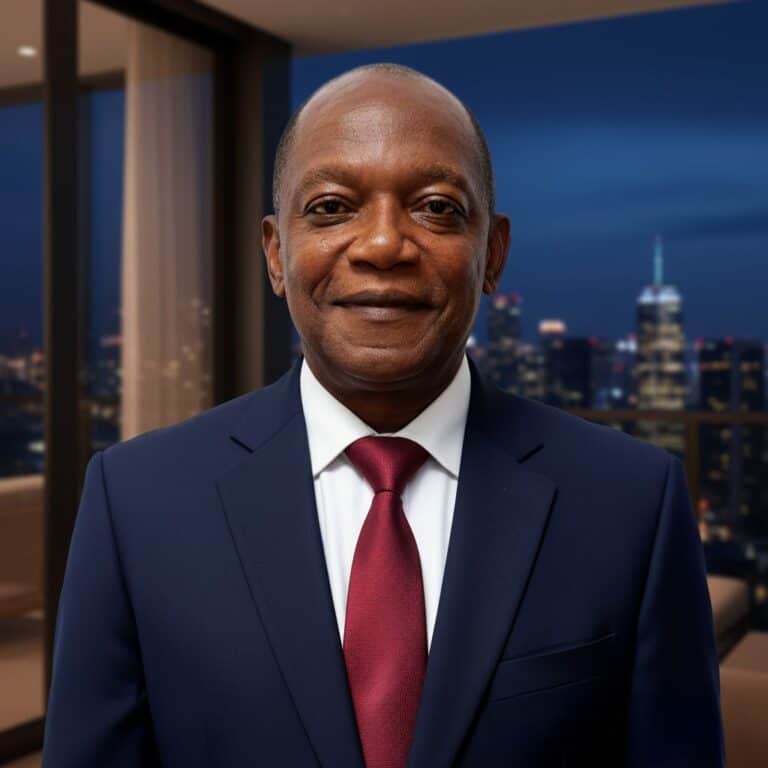
I am Eric Phillips, the Chair of the Guyana Reparations Committee, appointed by President Ramotar. The Committee is comprised on 12 Commissioners who were appointed via a government process and includes myself, 6 African organizations, 2 Young Persons (male and female) ,a Land Rights Advocate and 2 Regional representatives, as Guyana is very large. I am also the Vice Chair of the Caricom Reparations Commission, responsible for Outreach and Mobilization.
We have executed the 3 key TORs of the Caricom Reparations Commission, namely:
- Present historic information pertaining to each claimant State.
- Establish a link between historic discrimination and present day racial Discrimination.
- Show how past practices have continued to perpetuate discriminatory repercussions in the modern era.
In addition, we have the following accomplishments:
- We have written, published and distributed 10,000 copies of the Guyana Reparations Story.
- Have met weekly at the Museum of African Heritage (our HQ) on every Thursday since January 2014. Our weekly meetings are attended by 30 -60 people , mainly from the Public
- We have 2 monthly Reparations Now TV Programs that are shown nationwide. We have written over 100 articles on reparations in the daily newspapers since 2014 and have held a National Reparations Conference on Reparations and Repatriation for the Rastafari Community.
- We have opened every meeting to the general public and this has brought vitality, a diversity of views and operational capacity to the Committee.
- We have presented at the national Land Rights Commission of Inquiry indicating the Government of Guyana owes us 18% of Guyana for the same reasons Amerindians were granted land reparations.
- We execute over 20 major events a year via Exhibitions, village outreaches, Emancipation Day, African Holocaust Day (October 12), Black History Month, Kwanzaa and school activities.
- IKEMBA (Youth for Reparations, led by Kibwe Copeland is active in Guyana and at Carifesta events.
- We have held major exhibitions of 100 photos and artifacts at the National Gallery for the 200th anniversary of the 1823 Demerara Slave Rebellion. We have also had several Africa Before Slavery exhibitions of at least 50 items at schools and at the National Gallery
- We will be leading the activities for the 400th anniversary of African arriving in Guyana in 1626 as well as developing a national development Plan for African Guyana so that we are included in Guyana’s oil wealth and economic development
Could you speak to the significance of Guyana’s histories in the movement for reparatory justice?
Guyana’s history is very different from many Caricom Member States. First, the Indigenous populations (Kalinago and Taino, Arawak) signed agreements with both Dutch and British enslavers to track down Africans, destroy Maroon camps and to act as their Police. Guyana is hence pursuing reparations from Holland and the United Kingdom. However, nine indigenous nations (three of whom were not in Guyana for 100 to 200 years before Africans arrived here in 1626) have received reparations via the Amerindian Act of 2006, in the form of 18% of Guyana, an Amerindian Development Fund (which recently included $US millions for carbon credits), a Constitutionally funded and supported Toshaos Council, and a Ministry of Amerindian Affairs.
What motivates you in the ongoing movement for repair in the Caribbean?
With the passage of the recent UN Resolution, we anticipate there will be much more diplomatic activities in Caricom centered on reparations. We also look forward to increased and sustained activities with the Dutch Government as within the last 5 years there has been apologies from 22 Dutch entities including the King and Prime Minister, the church, municipalities, banks and provinces. Tis an opportunity, via Caricom to pursue reparations from the Dutch, using the recently updated Caricom 10-Point Plan. There are also other opportunities to work with partners (AU, Repair, Traditional Leaders, Commonwealth Heads, United Nations) to pursue talks with the United Kingdom and other European Nations. Negotiations using the Repair Country Plans are also more possible after the UN Resolution.