
The importance of Commemorating Buckley’s Uprising - 28 January 1935
A conversation with Ras Iya, Nyabinghi Theocracy Order, St. Kitts and Nevis on the importance of commemorating the 1935 Buckley’s Uprising.
27th of January 2026
What is your name and where are you from?
Give thanks to the powers of the Almighty and the ancestors.
My name is Ras Iya. We are here from the Nyabinghi Theocracy Order. I’m thankful for being able to share this information amongst our people.
Can you tell us about the history of Buckley’s Uprising?
In the early 1930s there were laws against union establishment, but our ancestors wanted to establish a workers union, so they rose up to demand a change.
The uprising took place just three years after the establishment of the St. Kitts and Nevis Workers League, which was established in 1932 on the 25th of January. Many people lost their lives and were injured but they continued to pursue the uprising.
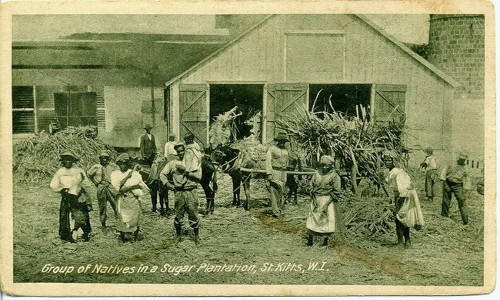
At this time there was no representation of the workers of the planter class who worked on the sugar plantations. Even several years after the Emancipation Bill that came in 1834, our people were still landless, still living in shack houses, living with health issues and women dealing with many deaths during childbirth.
Our people were suffering from a lack of a legislative approach to change. Even though the government was established, they were still a gap in black representation at the legislative council in those times. Most legislative council operated under the department of the crown. Our ancestors didn’t have a voice in these formats that carry the affairs of the nation.
We are here now commemorating one of the greatest moments of our people rising up to change our position in the economic and social structure, and to commemorate the sacrifices of our people.
The Buckley’ Uprising – the spark that awakened the region. That is the theme of 2026 that will impact our 91st anniversary to commemorate our ancestors and the sacrifice they made which was able to move mountains.
What were some major outcomes of Buckley’s Uprising?
The biggest thing, which is what we are commemorating now, is our people now have a legislative approach towards change, and a different view from the 1930s. At that time only the planter class had a voice in the legislative council. But now thanks to the sacrifice of our ancestors, we have our inheritance of African ascendants represented in the legislative council to take our current issues to parliamentarians for legislative discussion in St. Kitts and Nevis. Unionism was able to be introduced to have proper representation of voices towards workers rights and worker pay. The impacts of the uprising led to the creation of the St. Kitts and Nevis Labour Party years later.
How do you commemorate this event and why is it important to remember?
We mark the 28th January every year with events to commemorate the sacrifices made during the two days from the 28th and the 29th, when the uprising started and spread across both the east side and the west side of the island.
This is important because this knowledge was not taught to us in any school curriculum. A study of the Buckley’s uprising was able to be ushered in from the elders of the Nyabinghi Theocracy Order. It’s the Nyabinghi Theocracy Order and others who are so interested who have highlighted this historical issue, even emphasising this issue to young children in the schools.
It was just this Monday gone we had the presentation at one of our primary schools about ten miles out of the Basseterre area on the east side of our island, and seeing how the children didn’t even know about the Buckley Uprising, shows our schools are still lacking in education of this historical moment.
It’s been 91 years now, and we still don’t have a monument commemorating the historical moment that opened the path to trade unionism, which is one of the things we’re calling for.
Thank you so much for all your work championing this issue and for having this conversation with us. Is there anything else you would like to add?
You’re welcome, my friend. And thank you for inserting the information to spread to the wider part of the world.
As we go, we know that the struggle still continues, and our people must always remember the study of their people who sacrificed for the benefit they’re reaping today. Our people were landless and didn’t even have education. It is great to see our people can now go to college and come out with top positions in skilled professions, because our African people never denied who they are. They are skilled people, they are intelligent people, and always willing to work hard to better world affairs.
Give thanks eternally.